Linkkit Team
Building the future of link management and analytics.
If you’re searching for how to disguise a link, you probably want to make a long URL look cleaner, shorter, and more professional.
In digital marketing, disguising a link usually means using a URL shortener, custom domain, or link cloaking method to create a branded short link.
It does not mean misleading users.
In 2026, the correct way to disguise a link is through structured link management and transparent redirects.
What does it mean to disguise a link?
Disguising a link typically involves:
✓ Replacing long URLs with short branded links
✓ Removing messy tracking parameters
✓ Using a custom domain
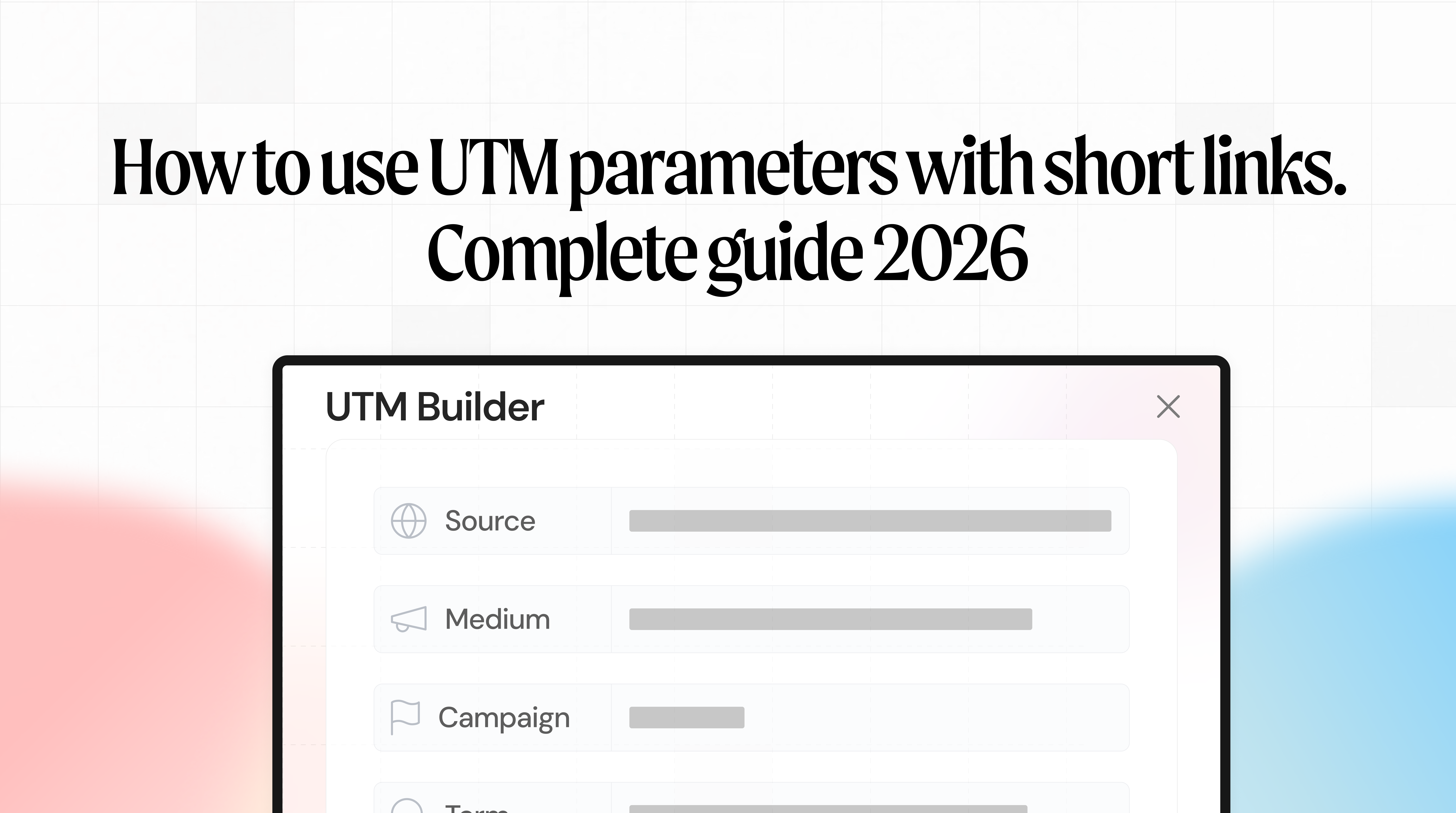
✓ Tracking clicks without exposing UTM strings
For example:
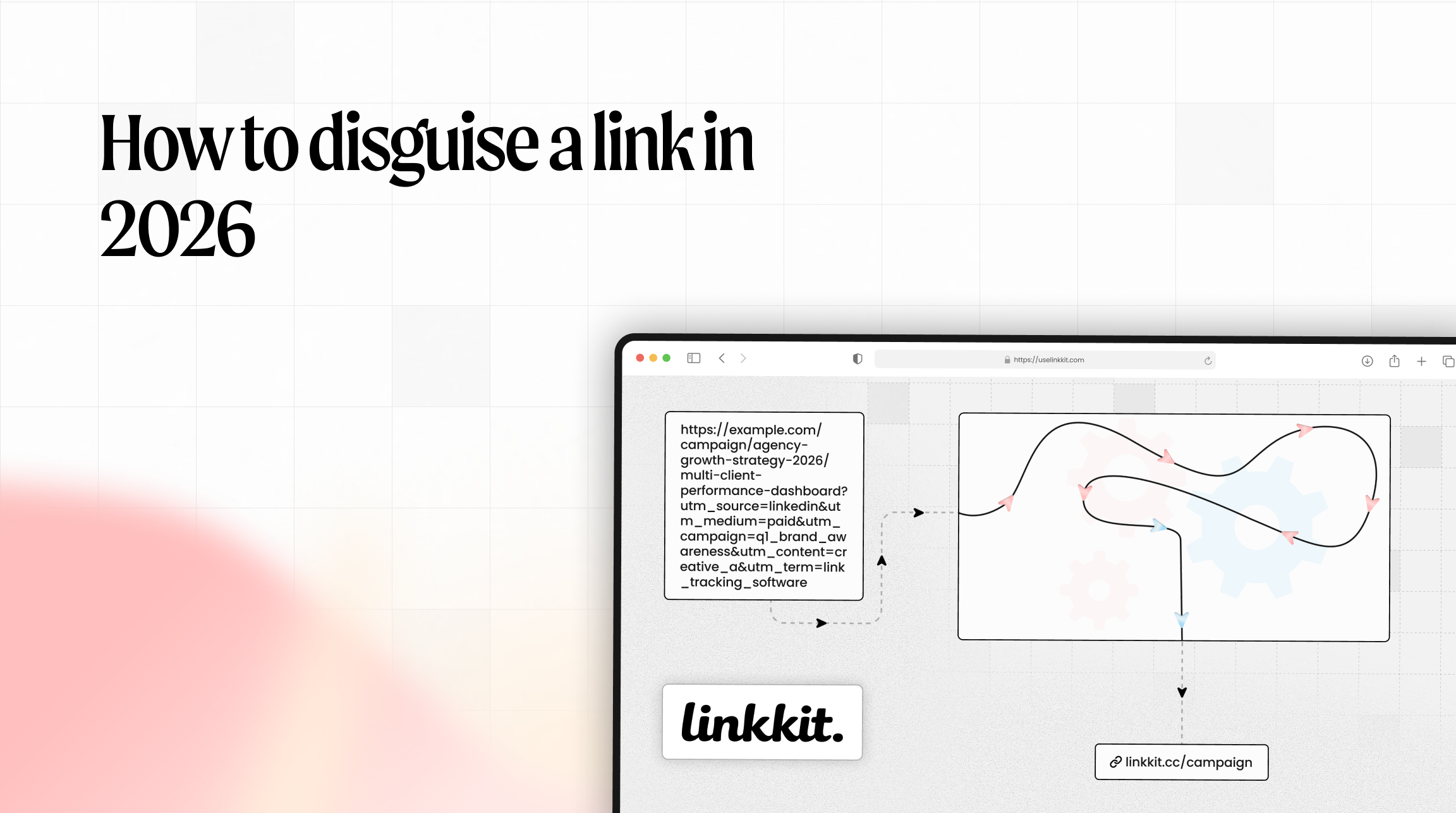
Instead of sharing:example.com/product-launch?utm_source=facebook&utm_campaign=q3
You share:go.yourbrand.com/launch
This improves:
Readability
Trust
Click-through rate
Brand recognition
Why people want to disguise links
There are legitimate reasons marketers use link cloaking tools.
1️⃣ Affiliate link cloaking
Affiliate URLs are often long and complex.
Using a branded short link makes them cleaner and easier to share on social media.
2️⃣ Campaign tracking
Paid campaigns require structured tracking.
Using link tracking software allows you to:
✓ Separate campaigns
✓ Track click sources
✓ Analyse performance
✓ Maintain clean URLs
Without exposing internal tracking parameters.
3️⃣ Brand trust
Generic shortened links can look suspicious.
Using a custom domain shortener builds credibility.
Instead of:bit.ly/93kdLx
Use:go.yourbrand.com/offer
Brand consistency increases trust.
The difference between ethical link cloaking and deception
It’s important to separate marketing optimisation from manipulation.
Ethical link disguising:
✓ Uses clean redirects
✓ Sends users directly to the intended page
✓ Supports transparent tracking
✓ Follows platform policies
Deceptive disguising:
✗ Hides malicious pages
✗ Inserts forced ads
✗ Breaks affiliate or ad policies
✗ Damages brand reputation
If you’re building long-term traffic, transparency wins.
How to disguise a link the right way
Here’s the proper process in 2026:
Step 1: Use a structured URL shortener
Choose a modern link analytics platform instead of a basic shortener.
Platforms like Linkkit allow you to:
✓ Create branded short links
✓ Organize links in workspaces
✓ Track clicks clearly
✓ Scale campaigns properly
Step 2: Use a custom domain
A custom domain shortener improves credibility.
Example:deals.yourbrand.com/summer
Instead of:randomshortlink.io/abc12
(Custom domains are usually available on paid plans — link to pricing page with anchor: free link tracking plan)
Step 3: Create clean slugs
Readable slugs perform better.
Use:/launch/sale/offer
Avoid:/a8Xk92
Clear links improve click-through rates.
Step 4: Track performance
A disguised link should still function as a click tracking tool.
Track:
✓ Click count
✓ Devices
✓ Geographic data
✓ Referrers
This turns a simple short URL into structured campaign data.
Is disguising a link good for SEO?
Using a URL shortener does not directly improve SEO rankings.
However, it can improve:
User experience
Trust
Campaign tracking
Branded search consistency
The key is to use 301 or 302 redirects correctly and avoid spam-like behaviour.
Structured link management helps maintain domain reputation.
When should you disguise a link?
Disguising a link is useful when:
✓ Running paid ads
✓ Sharing affiliate links
✓ Posting in bios
✓ Managing multiple campaigns
✓ Sending email marketing links
If you’re managing several brands, using a proper link management platform for teams makes organization easier.
Final thoughts
“How to disguise a link” doesn’t mean hiding something.
It means improving clarity.
In 2026, the smartest marketers don’t just shorten URLs.
They:
✓ Brand them
✓ Track them
✓ Organise them
✓ Optimise them
A modern link tracking software like Linkkit helps you do this without sacrificing trust.
Because clean links aren’t about deception.
They’re about structure.